In today’s fast-paced digital world, people often come across abbreviations like i.e. in texts, emails, and social media posts.
You might have seen it in school, at work, or in online discussions and wondered, “What does i.e. mean?” This abbreviation has become increasingly common as more people look for concise ways to clarify statements or give precise explanations.
In simple terms, i.e. is used to restate or clarify something in other words. It helps make sentences more precise by explaining exactly what the writer means.
⚡ Quick Answer
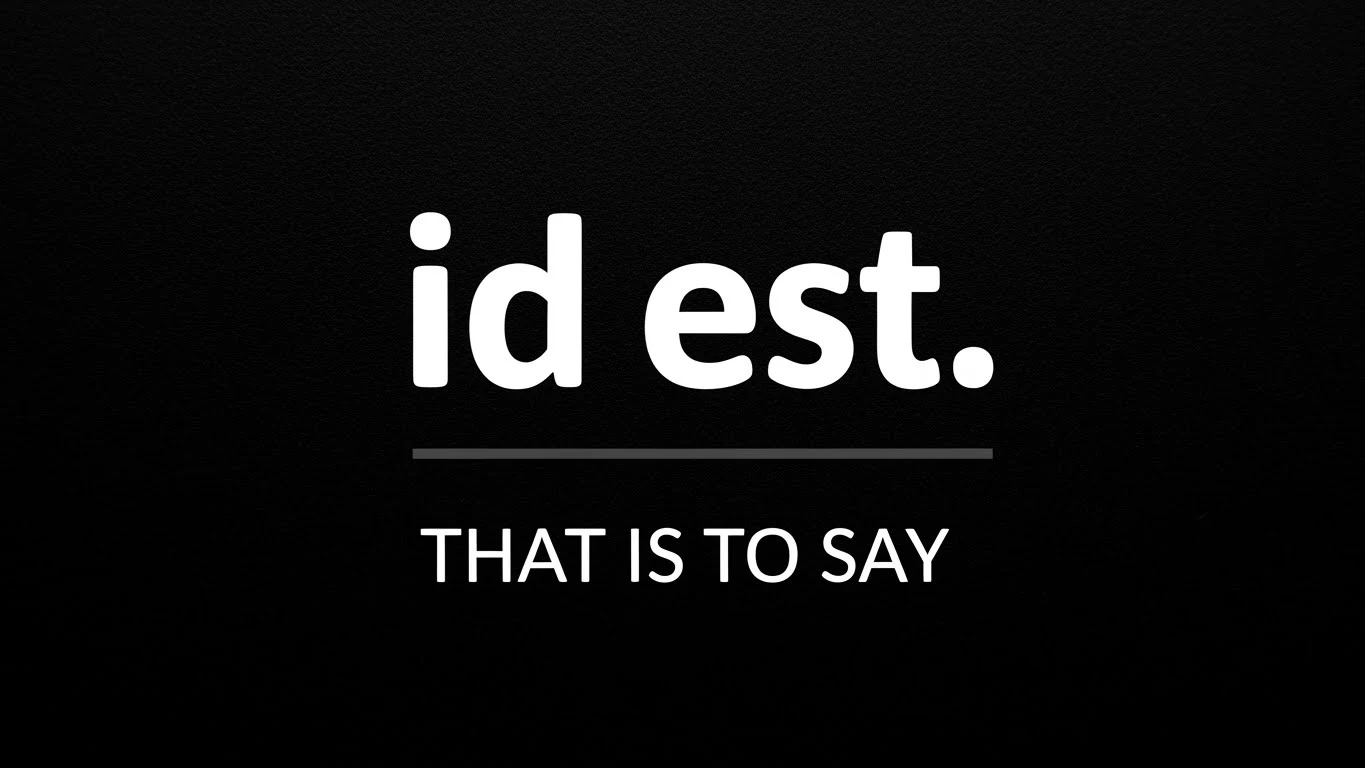
i.e. stands for the Latin phrase id est, which literally means “that is” or “in other words.”
It is used to clarify, explain, or specify a statement.
📚 Meaning of i.e. in Different Contexts
In Texting and Messaging
When texting, i.e. is often used to avoid confusion or make a message clear:
- “I’ll bring something sweet, i.e., chocolate or cookies.”
Here, the sender is specifying exactly what “something sweet” means.
While texting often leans towards casual language, i.e. adds a touch of clarity and precision.
In Love and Relationships
In romantic contexts, i.e. can be used to explain intentions or feelings clearly:
- “I want to see you more often, i.e., at least twice a week.”
It helps avoid misunderstandings and ensures both partners are on the same page.
In Slang and Casual Language
Although i.e. is formal in origin, it occasionally appears in casual online conversations to clarify statements without long explanations:
- “I’m avoiding junk food, i.e., chips and soda.”
It’s essentially a way to shorten explanations while keeping them precise.
On Social Media Platforms
On platforms like TikTok, Instagram, and Snapchat, users often want quick, clear messages. Using i.e. helps:
- Make captions more understandable: “Traveling to Europe this summer, i.e., France and Italy 🇫🇷🇮🇹.”
- Clarify statements in posts or comments without writing long paragraphs.
Spiritual or Symbolic Meaning
i.e. does not have a spiritual or symbolic meaning. Its purpose is purely practical and linguistic—to clarify or restate ideas.
Numerology or Cultural Meaning
Similarly, i.e. has no numerological significance. It is a Latin abbreviation widely used in English writing for clarity and precision.
🧠 Examples & Usage
Here are some real-life examples showing how i.e. is used:
| Context | Example Sentence | Meaning Clarified |
| Texting | “I’ll take the test again, i.e., next Monday.” | Specifies the exact day |
| Work Email | “We need more staff, i.e., two additional interns.” | Clarifies the number needed |
| Social Media | “Love this city, i.e., New York ❤️.” | Specifies which city |
| Romantic Message | “I miss our dates, i.e., Friday movie nights.” | Clarifies the specific activity |
Tip: i.e. is always followed by a comma in modern English.
❓ Common Questions About i.e.
What does i.e. really mean?
It means “that is” or “in other words”, used to explain or clarify a statement.
Is i.e. positive or negative?
i.e. is neutral. Its tone depends on the context of the sentence.
Is i.e. romantic?
It can be used romantically to clarify feelings but is not inherently romantic.
How should someone reply to i.e.?
You can respond normally to the statement. i.e. just provides clarification—it doesn’t require a special response.
🏁 Conclusion
In simple wordsi.e. is a helpful abbreviation that means “that is” or “in other words.” It is widely used in writing, texting, emails, and social media to make statements clear and precise.
Now that you understand i.e., you can use it confidently to clarify your messages and avoid confusion.
