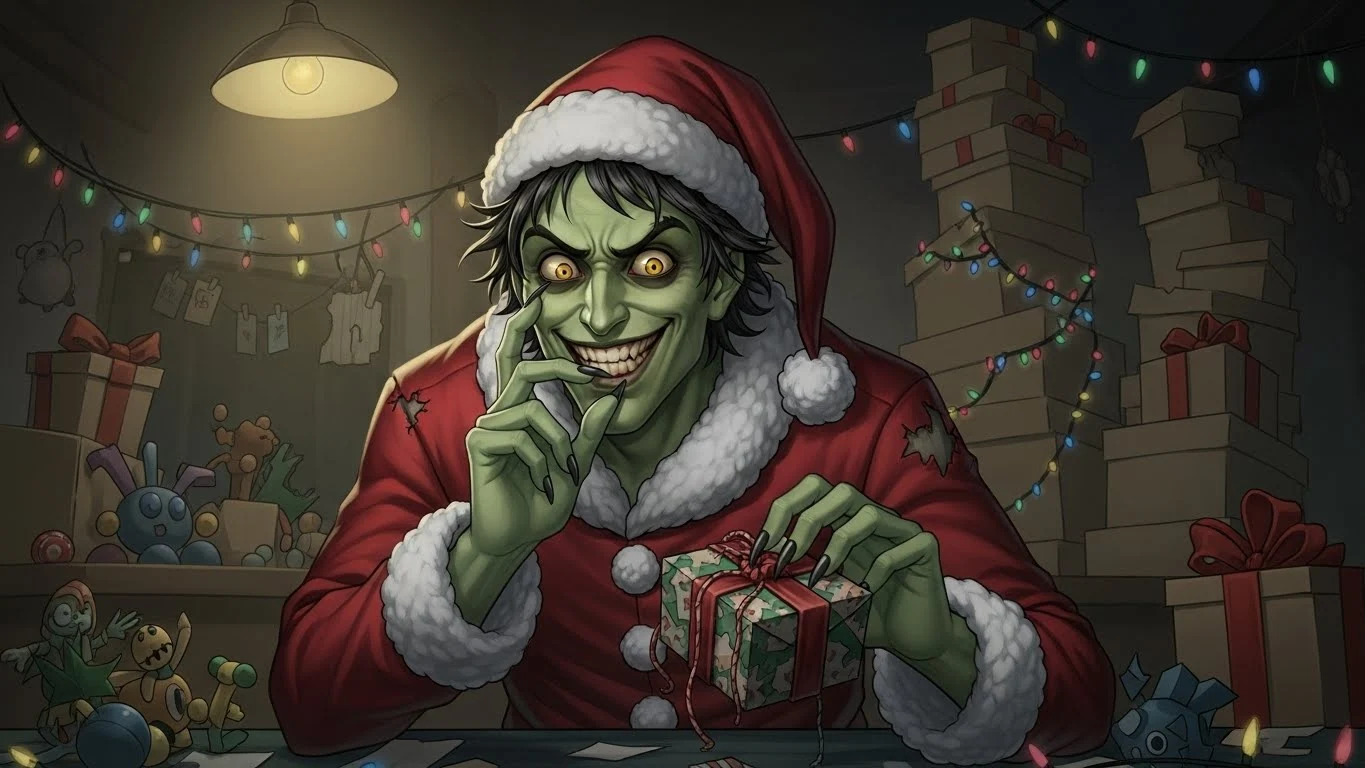
In recent months, the phrase “the mean one” has been trending across social media, texting apps, and pop culture. Many people are searching for its meaning because it’s being used in memes, TikTok captions, and casual conversations to describe someone or something in a playful, sarcastic, or sometimes serious way.
Understanding what “the mean one” means is important for anyone who wants to keep up with modern slang and internet culture.
Simply put, “the mean one” refers to a person or character who behaves cruelly, teasingly, or mischievously, but it can also be used humorously to exaggerate someone’s small acts of meanness.
⚡ Quick Answer
“The mean one” is a slang phrase used to describe someone who is being intentionally harsh, sarcastic, or teasing.
Depending on context, it can be playful, romantic, or genuinely critical.
📚 Meaning of “The Mean One” in Different Contexts
In Texting and Messaging
In everyday texting, “the mean one” is often used to tease friends or call out someone for being slightly harsh.
- Example: “Wow, you ate the last slice of pizza? You’re the mean one 😭🍕”
- Usually playful, rarely serious in casual chats.
- Tone and emojis can completely change the meaning from joking to slightly annoyed.
In Love and Relationships
When it comes to dating or romance, calling someone “the mean one” can be cute or flirty, especially if they playfully tease you.
- Example: “You stole the blanket again? The mean one! ❤️”
- Suggests affection despite minor misbehavior.
- Can be used to add humor to relationship texts or social media captions.
In Slang and Casual Language
In modern slang, “the mean one” refers to someone who is:
- Sarcastic or sassy
- Playfully cruel in jokes
- Exaggeratingly mischievous
It’s less about true cruelty and more about playful attitude or teasing.
On Social Media Platforms (TikTok, Instagram, Snapchat, etc.)
On platforms like TikTok or Instagram, “the mean one” often appears in captions, memes, and trends.
- Used to describe villains in videos or people acting “extra.”
- Popular during challenges where someone reacts dramatically to pranks or jokes.
- Example caption: “When your friend eats your fries… #TheMeanOne 😤🍟”
Spiritual or Symbolic Meaning (If Applicable)
Although not widely spiritual, “the mean one” can symbolize:
- Shadow traits like mischief or aggression
- A cautionary character in stories or lessons
- Some use it humorously to describe their inner mischievous side
Numerology or Cultural Meaning (If Applicable)
Culturally, the phrase doesn’t have deep historical roots, but in pop culture, it often:
- Mimics “The Grinch” style characters, e.g., the one causing playful trouble
- Represents fun, rebellion, or cheeky humor in modern internet slang
🧠 Examples & Usage
Here are some real-life examples of how “the mean one” is used:
| Context | Example Text | Meaning |
|---|---|---|
| Friend teasing | “You took my hoodie? The mean one! 😭” | Playful, joking |
| Romantic | “You stole the last bite… the mean one 😏❤️” | Flirty, teasing |
| Social media | “When your dog refuses to come… the mean one! 🐶😅” | Funny, exaggeration |
| Casual slang | “She roasted me in front of everyone. The mean one! 😂” | Humorous, light criticism |
Tip: Tone, emojis, and context completely define whether “the mean one” is playful, romantic, or mildly critical.
❓ Common Questions About “The Mean One”
What does “the mean one” really mean?
It describes someone being playfully or genuinely mean, sarcastic, teasing, or mischievous.
Is “the mean one” positive or negative?
It depends on context:
- Positive/playful: teasing a friend or partner
- Negative: calling out harsh or unkind behavior
Is “the mean one” romantic?
Yes, sometimes it’s used in flirty or affectionate teasing, especially in couples’ chats or posts.
How should someone reply to “the mean one”?
Responses vary based on tone:
- Playful: “I know 😏” or “Guilty as charged 😜”
- Romantic: “Only for you ❤️”
- Defensive (if annoyed): “Okay, okay, I’ll share 😅”
🏁 Conclusion
“The mean one” is a trendy phrase that captures playful mischief, teasing, or minor cruelty in modern conversation.
Whether in texts, relationships, or social media, it’s usually light-hearted and fun, but context matters.
Now that you understand the term, you can spot it in messages, captions, or memes and even use it yourself confidently!
