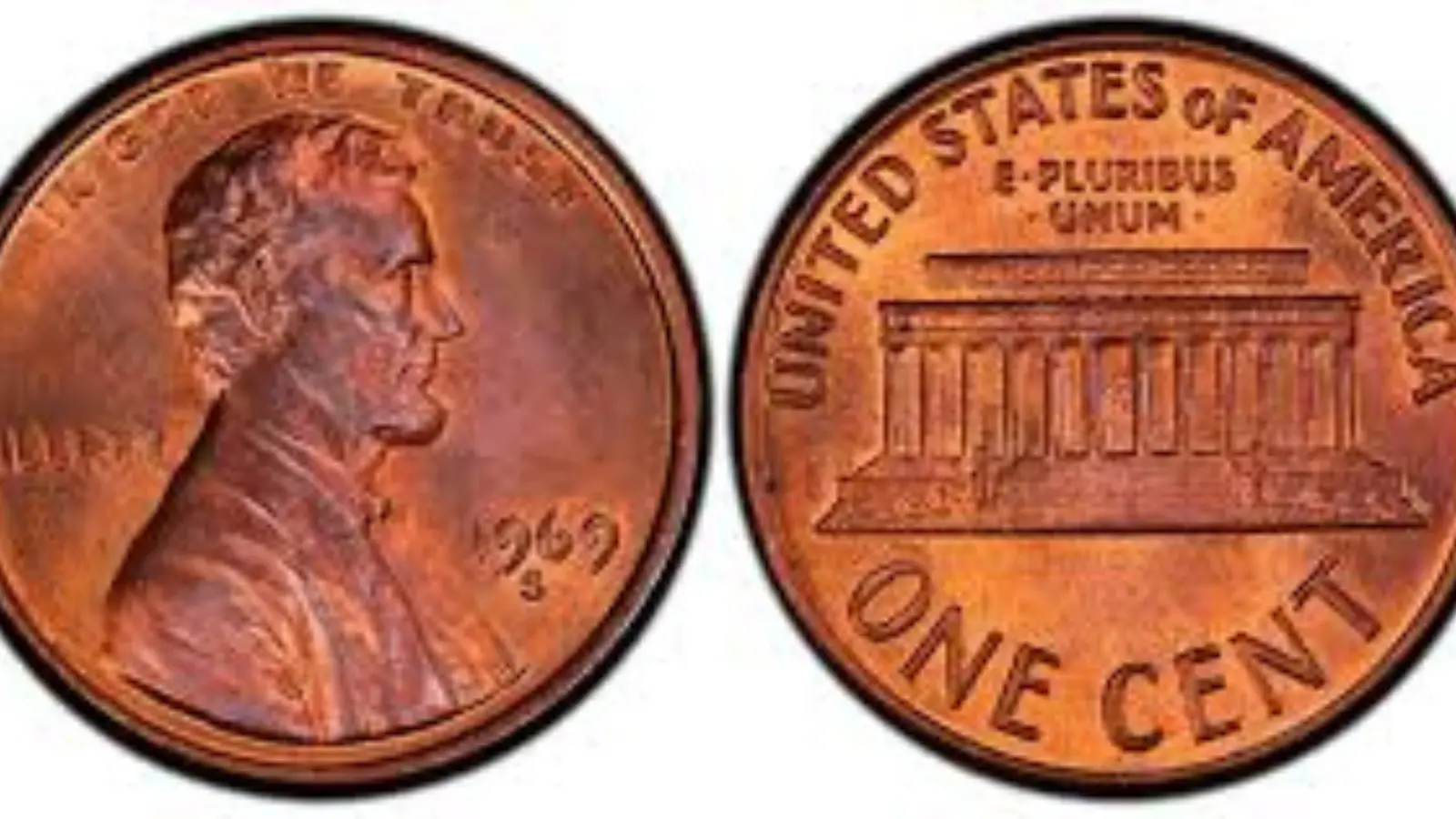
In everyday life, a penny is worth one cent. But in the world of coin collecting, certain pennies — especially rare, old, or error coins — can be worth far more than their face value. This guide explains what it means when a penny is “worth money,” what kinds of pennies can be valuable, how their worth is determined, and why these values fluctuate over time. The focus is on clear, verified data for a global audience.
What Does “Worth Money” Mean for Pennies?
In the strict monetary sense, a penny is legal tender worth $0.01 in the United States and similar small denominations elsewhere. Its face value is extremely low, and most pennies in circulation are used for everyday transactions.
When collectors or experts say a penny is “worth money,” they mean its value in the collectibles market is higher than one cent. The value of a collectible coin is often determined by:
- Rarity – How many were minted or still exist
- Condition – How well-preserved the coin is
- Mint errors – Mistakes or unusual manufacturing features
- Historical significance – Age or context
These factors can make some pennies trade for hundreds, thousands, or even millions of dollars among specialized collectors.
Why Some Pennies Are Worth Far More Than Their Face Value
Here’s what makes certain pennies attractive to collectors:
1. Very Old Pennies
Some pennies date back to the 18th and 19th centuries, such as:
- 1793 Large Cent
- 1804 Draped Bust Cent
- 1856 Flying Eagle Cent
These often fetch thousands of dollars at auction because most of their era’s coins no longer exist.
2. Minting Errors
Certain years saw mistakes in production, leading to rare varieties:
- 1943-D Bronze Lincoln Penny (World War II era error)
- 1955 Doubled Die Lincoln Penny
- 1969-S Doubled Die Penny
These error pennies can command significant sums — some over $200,000 or more — depending on condition and rarity.
3. Low Mintage Years
Some coins were produced in smaller quantities, making them scarcer and more collectible today.
Typical and Rare Penny Values (Current Market)
Below is a general sense of value ranges you might see in the coin market:
| Penny Type / Year | Typical Worth | Notes |
|---|---|---|
| Common circulating penny | ~$0.01 | Everyday small change |
| 1960s–2000s Lincoln pennies | ~$20–$100+ | Depends on mint mark & condition |
| 1909-VDB Lincoln penny | ~$100,000+ | Early rare Lincoln coin |
| 1944 unusual mint error | ~$408,000+ | Steel coin variety |
| 1943-D Bronze Lincoln | >$1.5 million | Exceptionally rare known example |
Important: Most pennies are not worth high values; only a tiny fraction reach prices over hundreds of dollars. The vast majority remain worth close to face value.
Why Penny Values Fluctuate
The collectible value of a penny is not fixed like a stock price; it changes due to:
- Auction results – Every major sale sets a new market benchmark
- Collector demand – Interest in certain dates or errors rises and falls
- Condition grading – High-grade (better preserved) coins fetch premiums
- Economic conditions – Collector markets respond to broader financial sentiment
Because values are based on real auction sales, they can be volatile. That’s why values are always estimates and often updated by numismatic price guides.
How to Identify a Valuable Penny
Here’s a checklist to help determine if a penny might be worth more than face value:
- Check the year and mint mark (e.g., “D” for Denver, “S” for San Francisco)
- Look for unusual features, like doubled lettering or off-metal strikes
- Assess the coin’s condition (wear, scratches, shine)
- Consult a reputable coin guide or dealer for verification
Professional grading services can provide official certification for very valuable coins.
Why Pennies Still Matter Economically
Even though most pennies aren’t valuable as collectibles:
- Pennies are still legal tender in the U.S.
- Their existence affects cash transaction rounding policies as they phase out of use
- Rare versions reflect historical minting practices
Pennies as collectibles offer a lens into history, economics, and the collectibles market rather than everyday spending.
Common Misconceptions
- Every penny is not worth a fortune. The idea that a random penny from your pocket could be worth $100,000 is extremely unlikely.
- Online estimators vary. Many viral lists exaggerate values — real worth is determined at auction or by certified grading.
- Copper content does not define market value. Pennies’ metal value is low, and in the U.S. it’s illegal to melt pennies for raw metal return.
5 Frequently Asked Questions (Built for Featured Snippets)
1. Are any pennies actually worth money?
Yes. Certain rare pennies with historical significance or minting errors can be worth hundreds to millions of dollars in collector markets.
2. How do coin experts determine a penny’s worth?
Collectors use rarity, condition, historical context, and auction results to estimate a penny’s value. Professional grading services provide official certification.
3. What is the most valuable penny ever sold?
Some error pennies and extremely old cents — such as a 1943-D bronze Lincoln — have sold for over a million dollars at auction.
4. Can a penny be worth more than a dollar?
Yes. Many collectible pennies are worth well over one dollar; in rare cases they are worth thousands or more depending on rarity and condition.
5. Are modern pennies suddenly worth more since production ended?
Ending production doesn’t automatically increase the value of common pennies. Only rare or historically significant coins typically gain collector interest.
Summary
Most pennies in circulation are still worth one cent. However, a small subset of coins — due to age, rarity, or minting errors — can be worth much more in the collectibles market.
These values are based on real auction results and expert assessments, not speculation. If you find a penny that seems unusual, consulting a reputable coin dealer or reference guide is the safest way to learn its true worth.
