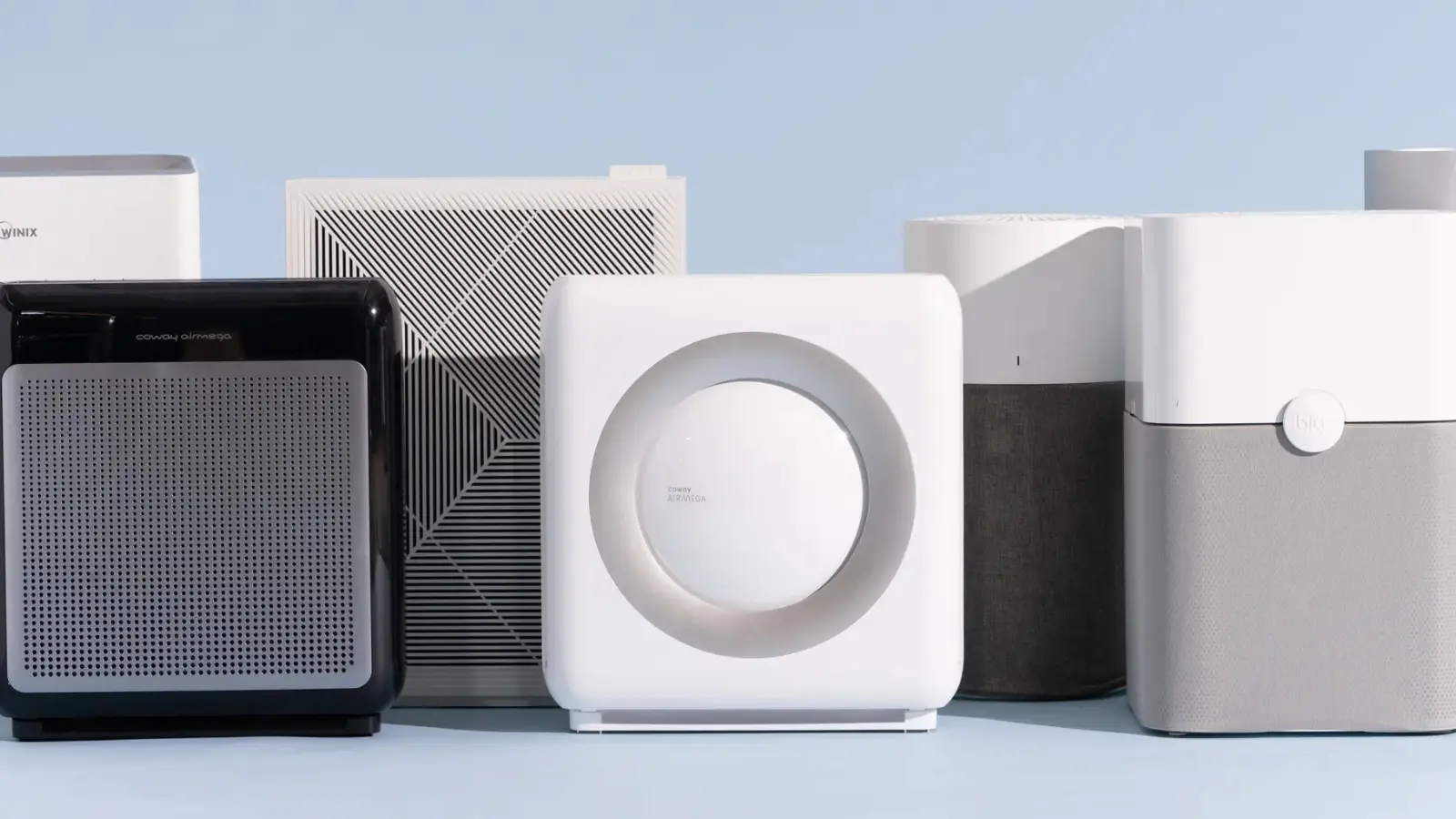
Indoor air quality matters — especially in cities with pollution, wildfire smoke, or high allergens. But do air purifiers actually improve health, or are they an expensive gadget? This article synthesizes up-to-date research from authoritative sources such as Forbes, Bloomberg, Reuters, and leading health institutions to answer: are air purifiers worth it? You’ll get clear explanations, real data, and practical guidance to decide for yourself.
What Is an Air Purifier?
An air purifier is a device designed to remove particles from indoor air. Depending on the model, an air purifier may:
- Filter dust, pollen, and pet dander
- Reduce smoke and smog particles
- Capture bacteria or some viruses
- Eliminate certain odors and chemical vapors
Most devices use a HEPA filter (High Efficiency Particulate Air), which can capture 99.97% of particles ≥0.3 µm (micrometers).
How Air Purifiers Work (Simple Terms)
- Air intake: Room air is drawn into the device
- Filtration: A fan pushes air through filters
- Clean air output: Purified air is released back into the room
Modern units may also include pre-filters, activated carbon filters, and UV light technology.
Evidence on Effectiveness: What Research Shows
Particle Removal
A large body of research confirms that HEPA-based air purifiers can significantly reduce fine particulates (PM2.5) indoors. These particles can come from:
- Outdoor air pollution
- Indoor cooking and candles
- Dust and smoke
Reducing PM2.5 can improve air quality — especially for sensitive people (children, older adults, asthma sufferers).
Health and Symptom Relief
According to multiple studies:
✔️ Air purifiers can reduce allergy and asthma symptoms
✔️ They can lower airborne concentrations of certain pollutants
✔️ Some research shows modest improvement in lung-function measures
However:
❌ Evidence is limited on long-term health effects in healthy adults
❌ Not all models perform equally well
❌ Some technologies (ions/ozone) may produce harmful byproducts
Authoritative health agencies generally endorse only true HEPA filtration for health-focused air cleaning.
Costs vs. Benefits — What You Pay
| Cost Component | Typical Range (USD) | Notes |
|---|---|---|
| Initial purchase | $80 – $800+ | Depends on room size and features |
| Replacement filters | $20 – $150 | Every 6–12 months |
| Electricity | $10 – $50/year | Varies with use |
| Noise | Quiet to loud | Important for bedrooms |
Bottom line: Over 5 years, total cost can range from $200 to $1,500+ depending on model and usage.
When Air Purifiers Are Worth It
1. High Pollution Areas
Cities with heavy smog or wildfire smoke (e.g., in India, China, California) can see real improvements in indoor PM2.5 levels with air purifiers.
2. Allergy and Asthma Sufferers
For people with allergies or asthma, clean air can reduce triggers and symptoms.
3. Homes with Pets or Smokers
Reducing pet dander, hair, and smoke helps overall comfort and may reduce irritation.
4. Sensitive Environments
Healthcare settings, laboratories, or homes with infants/older adults may benefit most.
When They Might Not Be Worth It
✔️ If outdoor air quality is already good, improvement may be minor
✔️ Small, cheap devices often underperform in large rooms
✔️ Units that create ozone or ions may harm air quality rather than help it
Note: Devices claiming to “kill viruses” without HEPA filtration should be treated with skepticism.
How to Choose a Good Air Purifier (Checklist)
✅ True HEPA filter (not “HEPA-like”)
✅ Appropriate CADR rating for your room size
✅ Low ozone emissions (ideally zero)
✅ Affordable replacement filters
✅ Energy-efficient operation
Economic and Global Context
Worldwide, air pollution remains a major public health challenge:
- The World Health Organization estimates 99% of the global population breathes air exceeding safe pollution limits.
- Indoor pollution can contribute to cardiovascular and respiratory illnesses over time.
Air purifiers are a mitigation tool, not a complete solution. Improving ventilation and reducing indoor pollution sources are equally important.
Why Perceived Value Fluctuates
Air purifier value depends on:
🔹 Air quality where you live
🔹 Your health profile
🔹 Room size and usage patterns
🔹 Quality of the unit and filters
🔹 Whether you prioritize long-term health benefits vs. upfront costs
Because indoor air quality and personal needs vary worldwide, the “worth it” answer isn’t universal — it’s individualized.
FAQ — For Voice Search and Featured Snippets
1. Are air purifiers worth the money?
Yes, especially in areas with air pollution, for allergy/asthma sufferers, and where indoor air quality is a health priority. They’re less impactful where outdoor air is already clean.
2. Do air purifiers improve health?
Evidence shows they reduce particulate pollution and may ease allergy/asthma symptoms — though long-term health impacts in healthy adults are still being studied.
3. How much should a good air purifier cost?
Expect $150–$800+ for a reliable unit with true HEPA filtration. Cheaper units often underperform.
4. Can air purifiers remove viruses?
HEPA filters can capture particles that contain viruses, but no device guarantees virus elimination. Proper ventilation and hygiene are still critical.
5. How often should filters be replaced?
Most HEPA filters should be replaced every 6–12 months, depending on use and air quality conditions.
Conclusion — Are Air Purifiers Worth It?
The short answer: yes, for many people — but not everyone. Air purifiers with true HEPA filtration can meaningfully reduce indoor pollutants and help sensitive individuals. Cost, noise, replacement filters, and actual air quality needs should guide your choice.
In regions with heavy pollution or for people with respiratory sensitivities, they can be a valuable investment. In places with clean air, their impact may be modest. The key is choosing the right model and using it appropriately.
