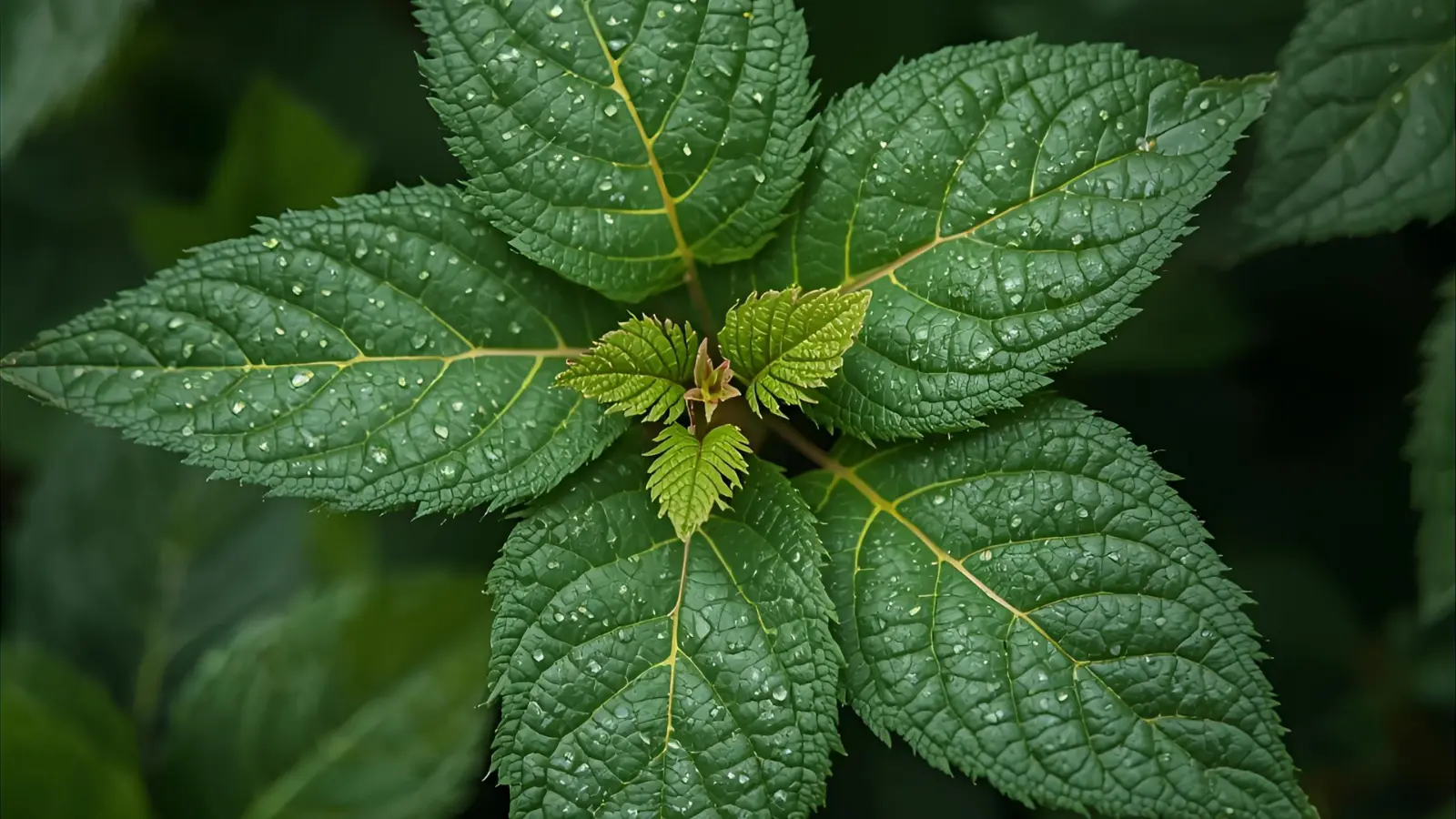
You’ve probably heard horror stories about poison ivy, but do you really know what it looks like or how to avoid it? Whether you’re hiking, chilling in your backyard, or just exploring nature, knowing the signs can save you from a seriously itchy experience.
This guide will break it down in the simplest, most relatable way, so you can confidently enjoy the outdoors without any surprise rashes.
Quick Answer ⚡
Poison ivy is a plant that usually has clusters of three shiny leaves on a stem, sometimes with small green or white berries.
It can appear as a vine or shrub and changes color with the seasons—green in spring and summer, red or orange in fall.
Avoid touching it directly, because even a tiny bit of its oil, urushiol, can cause skin irritation.
Understanding Poison Ivy 🌱
What Makes It So Irritating?
- Urushiol Oil: This is the real culprit. Found in leaves, stems, and roots, it causes that infamous itchy rash.
- Contact Sensitivity: Not everyone reacts the same way, but most people get red, inflamed bumps or blisters.
- Spread Myths: You cannot get poison ivy from someone else’s rash, but the oil on clothing, pets, or tools can transfer it.
Where Does It Usually Grow?
- Woodlands & Forest Edges: Common in shaded areas with rich soil.
- Backyards & Gardens: Often creeping along fences, decks, and hedges.
- Vines Climbing Trees: Can wrap around tree trunks and appear as hairy vines.
Seasonal Changes
- Spring/Summer: Bright green leaves.
- Fall: Leaves turn vibrant red, orange, or yellow.
- Winter: Leaves fall, but vines or stems can remain, still containing urushiol.
How to Identify Poison Ivy with the “Rule of Threes” 🍃
The easiest way to spot poison ivy is remembering: “Leaves of three, let it be.”
Leaf Patterns:
- Three leaflets per stem
- Middle leaf slightly larger, with a longer stalk
- Smooth or slightly toothed edges
Variations:
- Leaves can be shiny or dull
- Colors range from green, yellow-green, red, orange, or purple depending on the season
- Some plants may have clusters of white or yellowish berries
Scenario Example:
You’re on a hike and spot a vine with three bright green leaves curling around a tree. Instead of brushing past it, stop, take a pic for reference, and move around it. That tiny precaution prevents a week of itching!
Differences Between Poison Ivy and Other Plants 🌿
Many plants mimic poison ivy, so here’s how to avoid confusion:
1. Poison Oak
- Leaves usually fuzzy
- Clusters of three, but more rounded and oak-like
- Found mainly in western parts of the U.S.
2. Poison Sumac
- Has 7–13 leaflets per stem
- Grows in swampy or wet areas
- More potent than poison ivy
3. Virginia Creeper
- 5 leaflets instead of 3
- Often confused with poison ivy but generally harmless
- Tendrils may have small adhesive pads for climbing
Tip: Always check the leaf count per stem before touching any unknown plant.
What Happens When You Touch It 🖐️
Direct contact with urushiol can cause:
- Red, itchy rash
- Blisters that may ooze
- Swelling around the affected area
Pro Tips to Minimize Reaction:
- Wash immediately with soap and water within 10–15 minutes
- Avoid scratching, it worsens irritation and can lead to infection
- Use protective clothing like gloves, long sleeves, and pants when in nature
Example Scenario:
Imagine you’re camping and accidentally brush against a vine. Quick washing can stop urushiol from fully penetrating your skin, potentially preventing a full-blown rash.
Tips to Avoid Poison Ivy 🌞
- Learn Its Look: Familiarity with leaves and berries is key.
- Stay on Trails: Avoid walking through tall, thick brush.
- Protective Clothing: Pants, long sleeves, gloves, boots.
- Barrier Creams: Some over-the-counter creams block urushiol from touching skin.
- Check Pets & Gear: Dogs and hiking gear can carry urushiol. Wash immediately after outdoor adventures.
Home Remedies and Treatments 🏡
Even with precautions, sometimes accidents happen. Here’s what helps:
Soothing Itches:
- Cool baths with oatmeal
- Calamine lotion for localized relief
- Aloe vera gel to calm inflammation
Severe Reactions:
- Blisters that cover large areas may require a doctor’s attention
- Oral antihistamines can reduce itching and swelling
- Corticosteroid creams may help with severe inflammation
Pro Tip:
Never pop blisters. They can lead to infection and prolong healing.
Fun Facts About Poison Ivy 🌟
- Poison ivy can grow as a vine, shrub, or ground cover, making it tricky to identify.
- Birds eat its berries without any problem—urushiol only affects mammals.
- Some Native American tribes used poison ivy in traditional medicine, carefully avoiding skin contact.
Why Learning to Identify It Matters
- Health: Prevents painful rashes.
- Outdoor Enjoyment: Lets you explore safely without fear.
- Confidence: You’ll spot it before it spots you.
Remember, a little knowledge goes a long way. You don’t need to fear nature—you just need to respect it.
Conclusion 🎯
Poison ivy may be tiny, but it packs a punch. By recognizing its three-leaf clusters, seasonal color changes, and common habitats, you can enjoy the outdoors safely and confidently.
Always wash hands and gear after possible exposure, and use protective clothing whenever exploring nature. With these tips, you’ll be able to navigate trails, backyards, and forests like a pro without falling victim to itchy surprises.
Stay safe, stay curious, and keep exploring! 🌿✨

Ethan Collins is a creative copywriter based in Seattle, known for writing short, snappy captions that resonate with modern audiences.